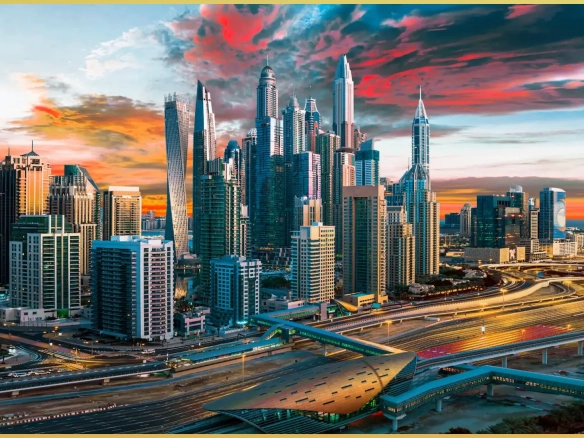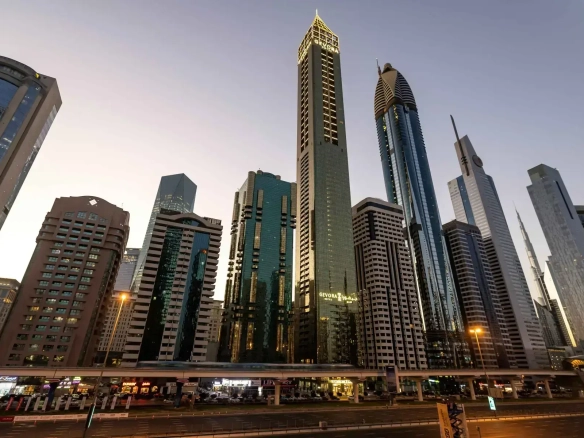
While residential performance continues to draw significant headlines, Dubai’s commercial real estate market has emerged as a major growth engine. A structural undersupply of Grade A office space across core financial districts such as DIFC, Downtown Dubai, and Business Bay has driven occupancy rates to near-capacity levels. Regional headquarters, expanding tech enterprises, and international corporate entities are competing for high-spec workspace, leading to record-breaking commercial transaction values and sustained rental growth across prime business hubs.
Institutional Capital Inflow and Portfolio Maturity
The profile of buyers in the UAE real estate ecosystem is shifting decisively toward institutional funds, private equity firms, and global family offices. Rather than pursuing short-term trading margins, these market participants are deploying capital into stabilized, long-term, income-generating assets. This influx of institutional liquidity is reinforcing capital market stability, encouraging higher standards of building management, and supporting the development of institutional-grade commercial and residential assets.
The Evolution of Branded Residences and Experiential Living
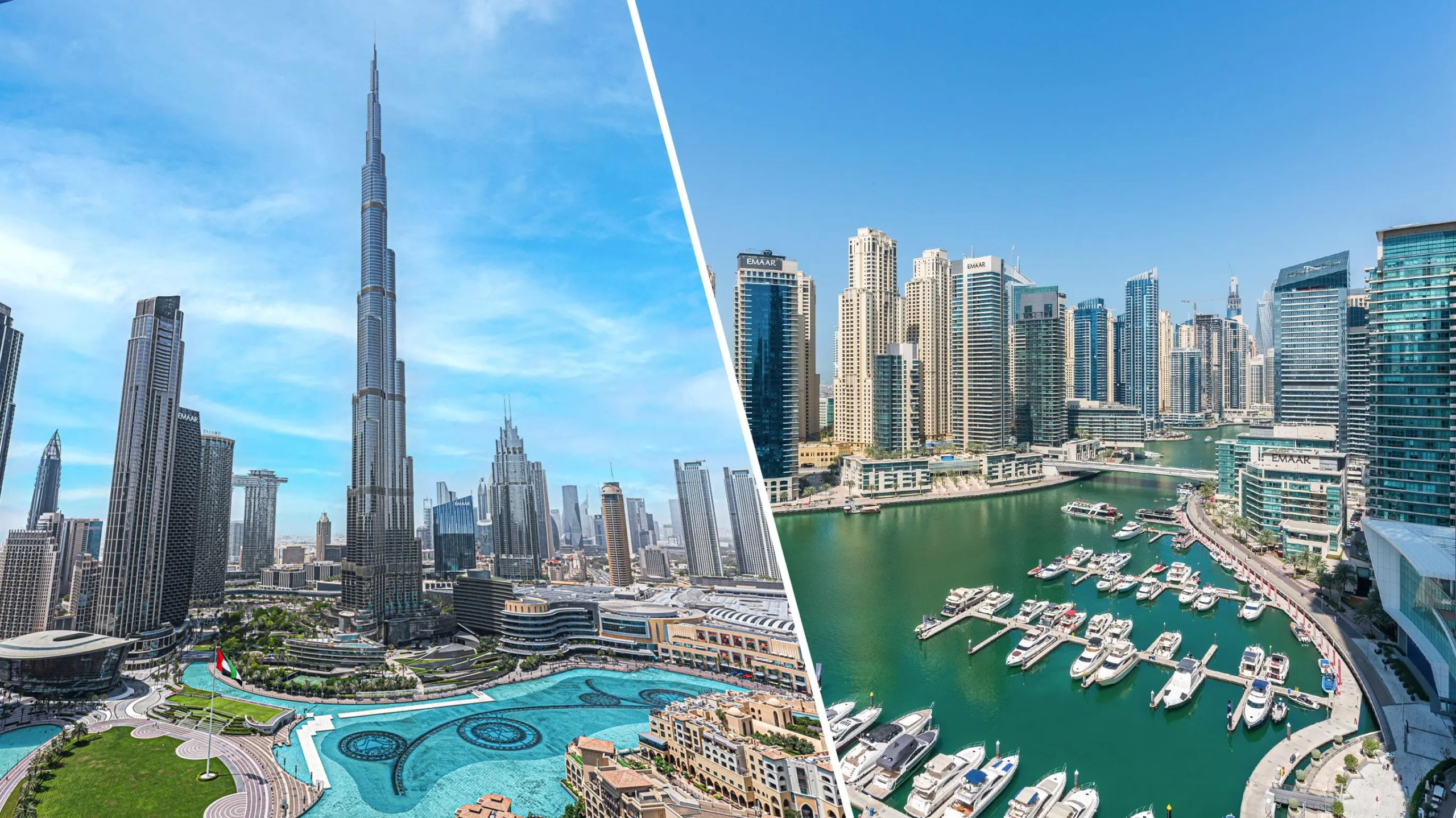
Dubai has cemented its status as a leading global destination for branded residential developments and ultra-prime living. Beyond simple brand alignment, modern buyers prioritize integrated lifestyle management, resort-grade amenities, and long-term value in master-planned environments. These trophy assets consistently command substantial pricing premiums and serve as key vehicles for capital preservation among international high-net-worth investors seeking safe-haven stability.
Logistics and Industrial Real Estate: The Quiet Powerhouse
Driven by e-commerce expansion, regional trade agreements, and supply chain localization, Dubai’s industrial and logistics sector continues to showcase exceptional strength. Modern logistics parks, light industrial units, and fulfillment hubs in strategic distribution zones are recording steady tenant retention and tight availability. Institutional investors increasingly view industrial real estate as a core defensive asset class that offers predictable cash flows and resilience within a diversified portfolio.
Data-Driven PropTech and Transparent Asset Valuation
The integration of digital platforms, AI-driven valuation tools, and streamlined property management systems is redefining landlord-tenant interactions and transaction processing. Real-time market analytics and transparent regulatory frameworks allow investors to execute thorough due diligence and track rental yield movements with clarity. This digital infrastructure reduces transaction friction, boosts buyer confidence, and aligns Dubai’s real estate practices with top-tier global financial markets.
Strategic Outlook: Navigating Yield Optimization and Risk
Moving forward, successful capital allocation in the Dubai property sector requires a nuanced understanding of submarket supply-demand dynamics and asset-class segmentation. While prime residential and Grade A office assets offer capital preservation and strong tenant covenants, emerging suburban corridors and flexible commercial spaces present attractive entry points for high-yield acquisition. Balancing portfolios across income-generating commercial holdings and strategic off-plan developments remains an effective path for sustainable real estate expansion.