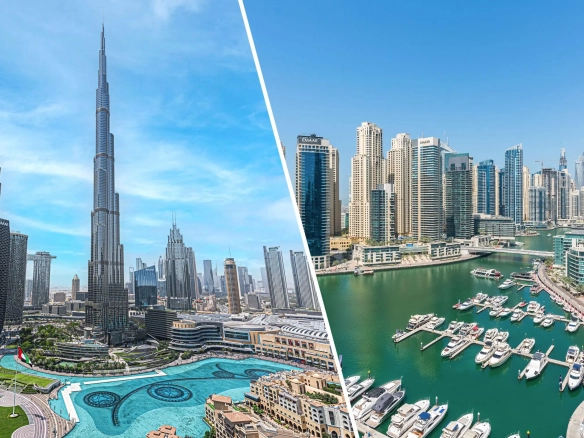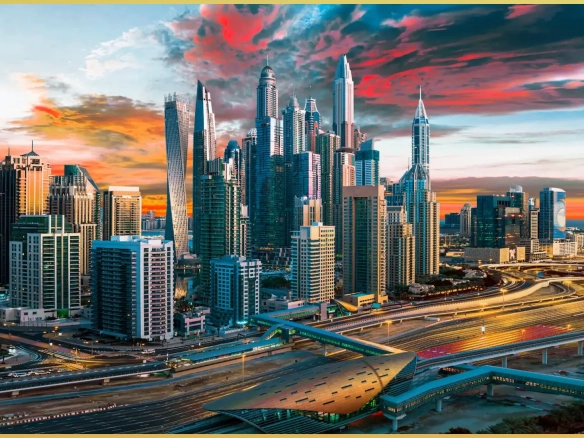
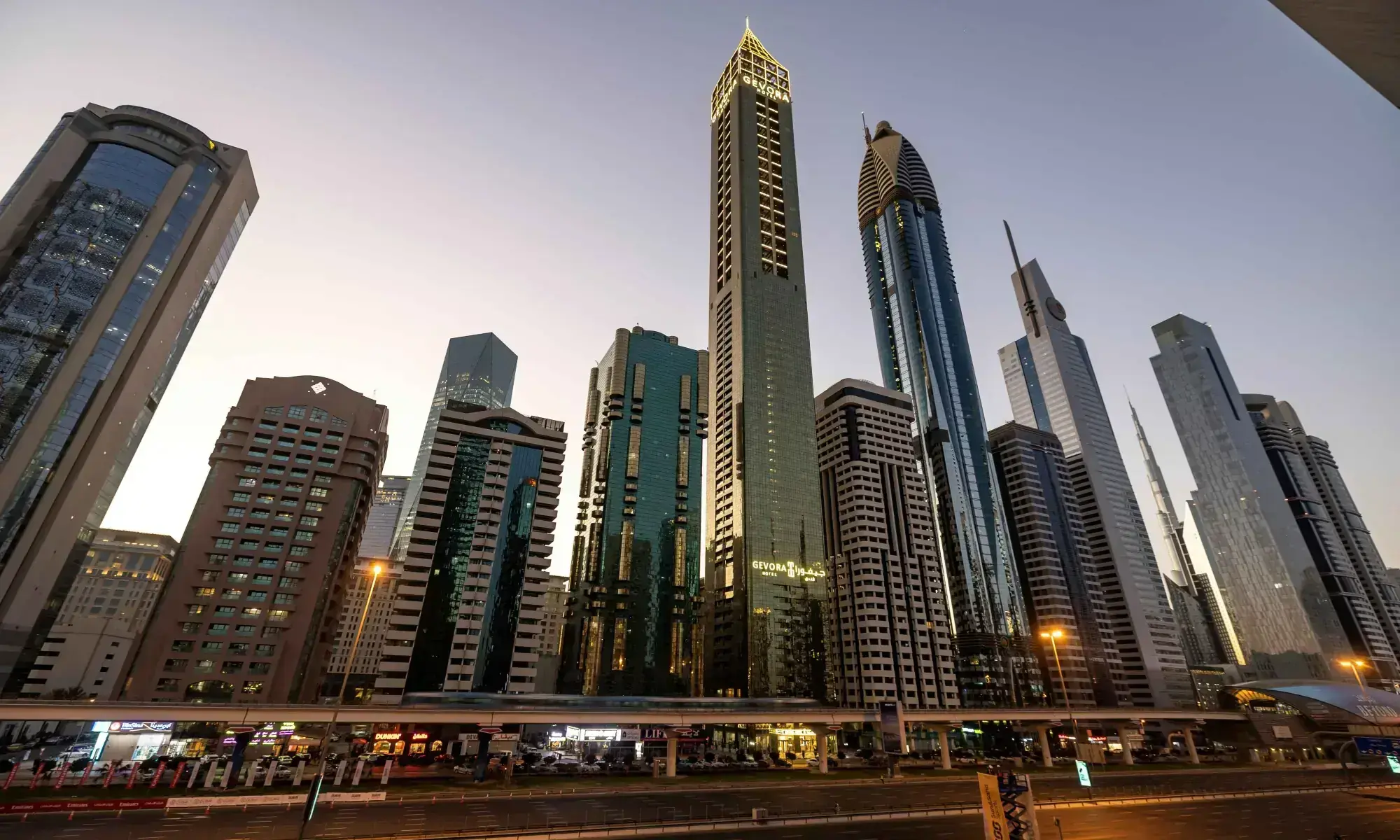
The Dubai real estate landscape has fully transitioned from a historically speculation-driven environment into a globally respected hub for long-term capital deployment. Backed by proactive regulatory frameworks, strong macroeconomic fundamentals, and steady population growth, the market is experiencing sustained expansion. Institutional investors, regional family offices, and high-net-worth individuals are increasingly treating Dubai property not as a short-term trading vehicle, but as a core defensive asset class that offers reliable yields and currency-pegged stability.
Golden Visa Policies and the Shift to End-User Hegemony
The strategic expansion of long-term residency schemes, particularly the Golden Visa program, continues to fundamentally reshape resident behavior across the emirate. By removing friction around property ownership thresholds and simplifying application pathways, the government has incentivized expatriates to transition from long-term renters into committed property owners. This structural shift toward an end-user-dominated market has created unprecedented stability in residential communities, significantly reducing turnover rates and establishing a steady floor for baseline property values.
Off-Plan Momentum and Strategic Master-Planned Communities
Off-plan developments remain a dominant force in capital allocation, driven by innovative developer offerings and flexible, buyer-centric payment structures. Major infrastructure milestones, including urban transportation extensions and multi-billion-dollar master developments, have focused investor interest on strategic suburban corridors and new waterfront districts. Buyers are increasingly prioritizing holistic lifestyle destinations equipped with integrated educational institutions, wellness facilities, and expansive green corridors over standalone residential towers.
Rental Yield Dynamics Across Prime and Emerging Segments
Gross rental yields in Dubai continue to outperform major global metropolises such as London, New York, and Singapore. While established prime areas maintain steady appreciation and premium rental pricing, emerging secondary corridors are capturing significant attention from yield-focused investors due to lower entry prices and higher percentage returns. Concurrently, the short-term holiday home market maintains strong momentum, supported by record-breaking tourism figures and a continuous calendar of international business events.
PropTech Integration and Sustainable Smart Architecture
Environmental, Social, and Governance (ESG) standards have rapidly shifted from aspirational goals to tangible market requirements in the local real estate ecosystem. Modern developments featuring green building certifications, automated energy management, and sustainable cooling solutions command higher occupancy rates and premium price points. Furthermore, the widespread adoption of advanced PropTech platforms is streamlining property management, digital transactions, and lease administration, providing seamless experiences for both landlords and tenants.
Strategic Outlook and Portfolio Diversification for Investors
Looking forward, the outlook for the Dubai property market remains exceptionally positive, anchored by sustained economic diversification and continuous global talent migration. To maximize returns and manage risk effectively, investors are advised to maintain balanced portfolios split between high-yielding off-plan assets in expansion zones and stabilized, income-generating assets in established prime locations. Partnering with localized market experts and leveraging data-driven analytics will remain essential for identifying undervalued opportunities in an increasingly sophisticated market.