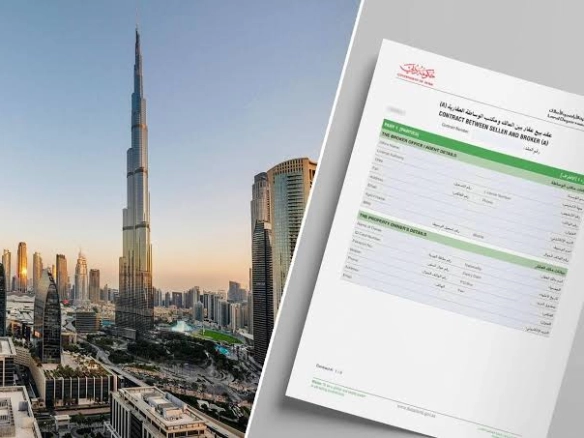

Dubai’s growing population, international workforce and active real estate market make rental property attractive to both local and overseas investors. However, finding a tenant is only one part of becoming a successful landlord.
To rent out Dubai property properly, an owner must select the right rental model, set a realistic price, follow advertising regulations, prepare a clear tenancy contract and register the agreement through Ejari. Landlords must also understand their maintenance, renewal, deposit and eviction responsibilities.
This guide explains the complete process of renting out residential property in Dubai, from preparing the unit to managing the tenancy.
Can You Legally Rent Out Property in Dubai?
A registered property owner can generally rent out their Dubai property, provided the unit is used for its approved purpose and the rental arrangement follows the relevant regulations.
Owners should first confirm that:
- The property is registered in their name.
- The unit is completed and suitable for occupation.
- The intended use complies with the property’s approved classification.
- Any mortgage conditions affecting leasing have been checked.
- Community or building requirements have been reviewed.
- The tenancy will be registered through the appropriate system.
- Any representative has valid authority to act for the owner.
Foreign and non-resident owners can also rent out property in Dubai. They may appoint a licensed property management company or legally authorised representative to manage the process.
Choose Between Long-Term and Short-Term Rental
Before advertising, decide how the property will be offered. Dubai has different requirements for conventional tenancies and holiday-home rentals.
Long-term rental
A conventional residential lease is normally governed by Dubai’s landlord-and-tenant laws. The parties sign a tenancy contract and register it through Ejari.
Long-term rental may provide:
- More predictable annual income
- Lower tenant turnover
- Fewer cleaning and check-in expenses
- Less frequent advertising
- More stable occupancy
The landlord must still budget for vacancy, maintenance, service charges and property management.
Short-term holiday-home rental
Apartments and villas offered to tourists or short-stay guests must follow the holiday-home rules administered by the Dubai Department of Economy and Tourism.
The property must be registered and approved before it is listed as a holiday home. Owners can either become approved operators or appoint a licensed holiday-home management company. The Dubai Department of Economy and Tourism states that apartments and villas require DET approval before being advertised for short stays.
A standard Ejari tenancy does not replace a holiday-home permit.
Step 1: Prepare Your Ownership Documents
Gather the documents and property information that may be needed by the broker, property manager, tenant or Ejari service.
These commonly include:
- Title deed
- Owner’s Emirates ID or passport
- Power of attorney if a representative is acting
- Property address and unit number
- DEWA premise number
- Property size and layout
- Parking allocation
- Furnishing inventory, where applicable
- Mortgage or lender information, if relevant
- Property management agreement
- Community access requirements
If several people own the property, confirm who is authorised to sign the lease and receive rent.
Owners should never allow an unverified person to market, lease or collect money on their behalf.
Step 2: Calculate the Property’s Rental Costs
Annual rent is not the same as net rental income. Before setting the asking price, estimate all ownership and operating expenses.
Possible costs include:
- Building or community service charges
- Repairs and preventive maintenance
- Air-conditioning or district-cooling costs
- Property management fees
- Leasing commission
- Advertising and photography
- Insurance
- Mortgage payments
- Furniture replacement
- Vacancy between tenants
- Ejari-related charges
- Holiday-home licensing and operating costs, where applicable
Owners of apartments and properties in jointly owned developments should check approved charges through the DLD Service Charge Index.
Under Dubai’s jointly owned property framework, owners are generally responsible for paying their share of approved service charges to the management entity. The tenancy agreement may allocate certain costs between landlord and tenant, but the owner should understand their continuing responsibilities to the building or community manager.
Step 3: Set a Competitive Rental Price
Setting the rent too high can leave the property vacant, while setting it too low may reduce the investment’s long-term return.
Consider:
- The property’s exact location
- Building classification and condition
- Property size and layout
- View and floor level
- Furnished or unfurnished status
- Parking spaces
- Building facilities
- Recent registered rents
- Comparable listings
- Number and frequency of rent payments
- Current demand in the community
Dubai Land Department’s Rental Index allows owners and tenants to check average rents and permitted increases. Dubai REST also provides access to rental information and property services.
For a new tenancy, the landlord and tenant negotiate the initial rent. For a renewal, any increase must comply with the applicable index and notice requirements.
Do not rely only on advertised prices. Asking prices can be higher than the rent tenants ultimately agree to pay.
Step 4: Prepare the Property for Tenants
Dubai tenancy law requires a landlord to hand over the property in a condition that allows the tenant to use it for the purpose stated in the contract.
Before arranging viewings:
- Repair plumbing and electrical faults.
- Service air-conditioning systems.
- Test appliances included with the property.
- Fix damaged doors, locks and windows.
- Remove unwanted furniture and personal belongings.
- Arrange professional cleaning.
- Repaint where necessary.
- Check smoke detectors and other safety equipment.
- Confirm parking and access-card availability.
- Photograph the property’s condition.
- Prepare an inventory for furnished units.
A clean, well-maintained home is usually easier to rent and can reduce disputes about pre-existing damage.
Step 5: Decide Whether to Use a Real Estate Agent
Owners can manage a tenancy directly or appoint a licensed real estate broker. A capable broker can help with pricing, advertising, viewings, tenant negotiations and document preparation.
Before appointing an agent:
- Verify the brokerage company.
- Check the individual broker’s professional credentials.
- Agree on the commission.
- Specify whether the listing is exclusive.
- Set the agreement’s duration.
- State the permitted asking rent.
- Define who may receive deposits or rent.
- Clarify who will prepare the contract and Ejari application.
Dubai Land Department provides a standard lease brokerage agreement between owners and brokers.
A broker should not market a property without the owner’s authority. Owners can use DLD’s licence and permit verification service to check real estate credentials.
Step 6: Obtain the Required Advertising Permit
Dubai regulates property advertisements, including listings published on real estate portals and social media.
The advertising party must follow the Trakheesi permit process and display the required permit information or QR code. DLD’s Real Estate Ad Permit service covers online advertisements, classified listings, open houses, printed promotions and several other advertising formats.
When a broker applies for a permit, DLD requires a marketing agreement with the property owner for the relevant advertising categories.
An advertisement should accurately state:
- The annual rent
- Property type
- Number of bedrooms and bathrooms
- Furnishing status
- Approximate size
- Location
- Parking availability
- Major facilities
- Payment terms
- Permit information
- Agency details, where applicable
Avoid misleading descriptions, duplicated listings and photographs that do not represent the property.
Step 7: Market the Property Effectively
Good marketing can shorten the vacancy period without requiring an unrealistic discount.
Use:
- Clear professional photographs
- An accurate floor plan
- A concise property description
- Daytime and evening viewing options
- Details about transport and nearby facilities
- Accurate furnishing and appliance information
- Transparent payment expectations
- A clear move-in date
Remove the listing once a tenancy has been signed. Leaving unavailable properties online can create confusion and unnecessary enquiries.
Step 8: Screen Potential Tenants
Tenant screening helps landlords reduce payment, occupancy and property-care risks.
Depending on the applicant, request appropriate evidence such as:
- Emirates ID
- Passport and residence visa
- Employment confirmation
- Proof of income
- Previous landlord reference
- Company trade licence for corporate tenants
- Details of intended occupants
- Proposed move-in date
- Preferred payment schedule
The landlord should confirm who will occupy the property and whether the proposed use complies with the tenancy agreement and community rules.
Personal information should be collected only for a legitimate purpose and stored securely. Do not share identity or financial documents with unrelated parties.
Step 9: Agree on the Main Rental Terms
Before preparing the final contract, put the agreed commercial terms in writing.
These should include:
- Annual rent
- Contract start and end dates
- Number of rent payments
- Payment dates
- Security deposit
- Furnishing status
- Included appliances
- Maintenance allocation
- Utility responsibilities
- Parking and access cards
- Broker commission
- Move-in date
- Early-termination conditions
- Renewal procedure
- Permitted occupants
- Pet rules
- Subletting restrictions
Do not rely on verbal promises. If a term is important to either party, it should appear in the tenancy contract or signed addendum.
Step 10: Collect the Security Deposit Properly
Dubai tenancy law permits landlords to collect a security deposit to cover damage or required maintenance at the end of the tenancy.
The law does not establish one universal deposit percentage for every property. The amount should be clearly stated in the tenancy contract.
In the market, deposits are frequently calculated as a percentage of annual rent, with furnished properties sometimes attracting a higher deposit. These percentages are commercial practices rather than a substitute for the agreed contract.
The landlord should:
- Issue a receipt for the deposit.
- Keep the deposit separate from rent records.
- Complete a signed move-in inspection.
- Photograph the property before occupation.
- Keep repair invoices if deductions are later made.
- Refund the deposit or remaining balance at the end of the tenancy.
Normal wear and tear should not be treated in the same way as tenant-caused damage. Article 20 of Dubai Law No. 26 of 2007 requires the landlord to return the deposit or its remaining balance when the tenancy ends.
Step 11: Prepare a Clear Tenancy Contract
The landlord and tenant should use the Unified Tenancy Contract and, where necessary, a properly drafted addendum.
The contract should clearly identify:
- The landlord
- The tenant
- The property
- The permitted use
- The annual rent
- The payment method
- The tenancy period
- The security deposit
- The parties’ maintenance responsibilities
An addendum can provide further details about:
- Minor and major maintenance
- Emergency repairs
- Access for inspection
- Notice procedures
- Chiller and utility charges
- Painting and cleaning
- Appliances and furniture
- Lost keys or access cards
- Alterations and decoration
- Renewal negotiations
- Early termination
- Subletting
- Pets
- Move-out requirements
An addendum cannot override mandatory provisions of Dubai law simply because both parties signed it.
Step 12: Register the Contract Through Ejari
Applicable Dubai tenancy contracts must be registered through Ejari. Registration creates an official government record of the rental relationship.
The tenant, landlord, authorised property manager or legal representative can complete the process through an approved channel. A tenant-initiated Dubai REST application requires the landlord’s approval.
Ejari is available through:
- Dubai REST
- The DLD Ejari system for authorised users
- A registered property management company
- Real Estate Services Trustee Centres
DLD’s register or renew tenancy contract service currently lists the following totals:
| Registration channel | Listed total |
|---|---|
| Dubai REST or DLD online service | AED 177.75 |
| Real Estate Services Trustee Centre | AED 220 |
Registration responsibilities and payment arrangements should be stated in the tenancy documents. DLD notes that registration is a shared landlord-and-tenant responsibility, although the tenant or agent often completes the process.
Step 13: Complete a Documented Handover
A proper handover protects both parties.
Prepare a handover file containing:
- Signed tenancy contract
- Ejari certificate
- Deposit receipt
- Rent payment record
- Move-in inspection report
- Date-stamped photographs
- Furniture and appliance inventory
- Meter readings
- Number of keys and access cards
- Parking information
- Community rules
- Emergency contact details
- Maintenance reporting procedure
Both parties should sign the condition report. This creates a reliable reference when assessing the property at move-out.
Landlord Responsibilities During the Tenancy
The landlord’s duties do not end once the tenant receives the keys.
Keep the property fit for use
Unless the parties have lawfully agreed otherwise, the landlord is responsible for maintenance and repairs affecting the tenant’s intended use of the property.
The contract should distinguish minor day-to-day maintenance from structural, mechanical or major repair responsibilities.
Do not interfere with the tenant’s use
A landlord cannot disconnect essential services or disturb the tenant’s lawful use of the property as a method of forcing payment or eviction.
Disputes should be addressed through written notices and the Rental Disputes Center rather than self-help measures.
Respect the tenant’s privacy
The landlord, broker or maintenance contractor should not enter the property without proper coordination except where an urgent emergency justifies immediate access.
Inspection and viewing arrangements should be addressed in the tenancy addendum.
Keep accurate financial records
Maintain records of:
- Rent received
- Rent instalment dates
- Security deposit
- Maintenance spending
- Service charges
- Broker payments
- Property management fees
- Written tenant notices
Good records are valuable for investment reporting and any later dispute.
Should You Hire a Property Management Company?
Professional management can be useful for overseas landlords, owners of multiple units or investors who do not want to handle daily tenant issues.
A property manager may assist with:
- Advertising
- Viewings
- Tenant screening
- Contract preparation
- Ejari registration
- Rent collection
- Maintenance coordination
- Property inspections
- Renewal negotiations
- Move-out procedures
- Deposit reconciliation
Before appointing a company, verify its DLD licensing and read the management agreement carefully.
Check:
- Management fee
- Leasing fee
- Maintenance approval limit
- Emergency authority
- Rent collection arrangements
- Reporting frequency
- Contract duration
- Termination provisions
- Treatment of tenant deposits
The lowest management fee does not always provide the best value. Response times, reporting and maintenance controls can significantly affect the property’s performance.
How Rent Increases Work at Renewal
A landlord cannot increase an existing tenant’s rent solely because nearby asking prices have risen.
The increase must be supported by Dubai’s Smart Rental Index and the landlord must provide the required notice. DLD states that an eligible rent increase will not apply if the tenant was not notified at least 90 days before contract expiry.
Under Decree No. 43 of 2013, the maximum renewal increases are:
| Current rent compared with the average rental value | Maximum increase |
|---|---|
| Up to 10% below average | No increase |
| 11%–20% below average | 5% |
| 21%–30% below average | 10% |
| 31%–40% below average | 15% |
| More than 40% below average | 20% |
The Smart Rental Index considers factors such as building classification, location, condition and available services.
Landlords should calculate the permitted increase before sending a renewal proposal.
Renewal and Notice Requirements
If either party wants to change the tenancy terms at renewal, Article 14 of Dubai’s amended tenancy law generally requires at least 90 days’ notice before the contract expires, unless the parties agreed to a different period.
This notice may cover:
- A proposed rent increase
- A rent reduction request
- Changes to payment frequency
- Amendments to maintenance responsibilities
- Other renewal terms
A 90-day notice to change contract terms is not automatically an eviction notice.
If a tenant remains in the property after expiry without the landlord’s objection, the lease may be treated as renewed on the previous terms for the same period or one year, whichever is shorter. Landlords should therefore address renewals and possession before the expiry date.
Can a Landlord Evict a Tenant to Charge More Rent?
A landlord cannot simply remove a tenant because another person is willing to pay more.
Under Law No. 33 of 2008, eviction during an active tenancy is limited to specified legal grounds. These include serious breaches such as unpaid rent following the required notice, unauthorised subletting, illegal use or failure to remedy a contractual breach.
After the contract expires, an owner may seek eviction for specific reasons, including:
- Selling the property
- Using it personally
- Housing a qualifying first-degree relative
- Demolition and reconstruction
- Comprehensive renovation that cannot be completed while occupied
For these post-expiry grounds, the landlord must generally give at least 12 months’ notice through a Notary Public or registered mail and state the reason for eviction.
Because eviction is procedurally sensitive, landlords should obtain qualified legal advice before serving a notice.
What to Do When the Tenant Moves Out
At the end of the tenancy:
- Confirm the move-out date in writing.
- Arrange a joint property inspection.
- Compare the unit with the signed move-in report.
- Record final meter readings.
- Collect all keys and access cards.
- Confirm that the tenant has removed personal belongings.
- Review any damage beyond ordinary wear and tear.
- Prepare an itemised statement for valid deductions.
- Refund the remaining security deposit.
- Complete Ejari cancellation.
- Notify the building or community management.
- Prepare the property for the next tenant.
Online Ejari cancellation is free. Cancellation through a Real Estate Services Trustee Centre carries a service partner fee of AED 40 plus VAT, according to DLD’s current service information.
How to Calculate Your Rental Yield
Gross rental yield measures the annual rent against the property’s value:
Net rental yield gives a more realistic picture:
Annual costs may include service charges, repairs, management fees, insurance and vacancy.
For example, if a property worth AED 1,500,000 earns AED 105,000 per year, its gross yield is 7%. If annual operating costs total AED 20,000, the net yield falls to approximately 5.67%.
Common Mistakes Dubai Landlords Should Avoid
- Advertising without the correct permit
- Hiring an unlicensed broker
- Setting rent only from online asking prices
- Failing to document the property’s condition
- Accepting money without issuing receipts
- Using an unclear or incomplete contract
- Ignoring Ejari registration
- Entering the property without coordination
- Delaying essential maintenance
- Missing the 90-day rent-change notice
- Sending an invalid eviction notice
- Making unsupported deposit deductions
- Failing to cancel the previous Ejari
- Treating a holiday home as a normal annual tenancy
- Allowing unapproved subletting
Frequently Asked Questions
Do I need a business licence to rent out my own Dubai property?
An individual owner offering their own property under a conventional tenancy generally uses the DLD tenancy and Ejari process. Managing or brokering properties for other owners is a regulated activity. Short-term holiday-home rentals require DET registration and approval.
Can a non-resident rent out property in Dubai?
Yes. A non-resident owner can rent out a Dubai property and may appoint a licensed property manager or authorised representative. The owner should also consider banking, tax and reporting obligations in their country of residence.
Can I rent out a mortgaged property?
A mortgaged property may be rented, but the owner should review the mortgage agreement, insurance policy and any lender conditions before signing a lease.
Who pays the real estate agent?
Broker commission is negotiable and should be documented. The tenant frequently pays the leasing commission, but the parties may agree differently.
Can a tenant sublet my property?
A tenant cannot ordinarily sublet or assign use of the property without the landlord’s written consent. The tenancy agreement should address subletting clearly.
Can I sell a property with a tenant?
Yes. A fixed-term tenancy is not automatically terminated when ownership changes. The buyer generally acquires the property subject to the existing tenancy unless lawful termination and notice procedures have been completed.
How much security deposit can I request?
Dubai law allows a landlord to collect a deposit but does not prescribe one fixed percentage for every tenancy. The agreed amount must be recorded in the contract and the balance returned when the tenancy ends.
Final Thoughts
Learning how to rent out Dubai property involves more than publishing an advertisement and collecting rent. A successful landlord must price the unit carefully, use approved marketing channels, screen tenants responsibly, prepare a clear contract and maintain accurate records.
The property should be handed over in good condition, registered through Ejari and managed in accordance with Dubai’s tenancy laws. Renewal increases, deposit deductions and eviction notices must also follow the required procedures.
Fees, digital services and regulatory processes can change. Owners should check the latest Dubai Land Department and Dubai Department of Economy and Tourism requirements before advertising or signing a new tenancy.
HAMZ provides practical Dubai property guidance to help landlords, tenants, buyers and investors make informed real estate decisions with greater clarity and confidence.
Read Also: Ejari Dubai Explained: A Complete Guide for Landlords and Tenants