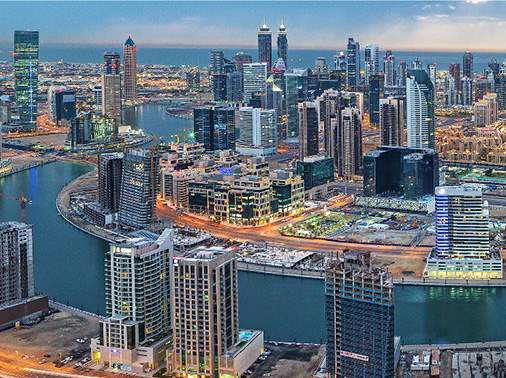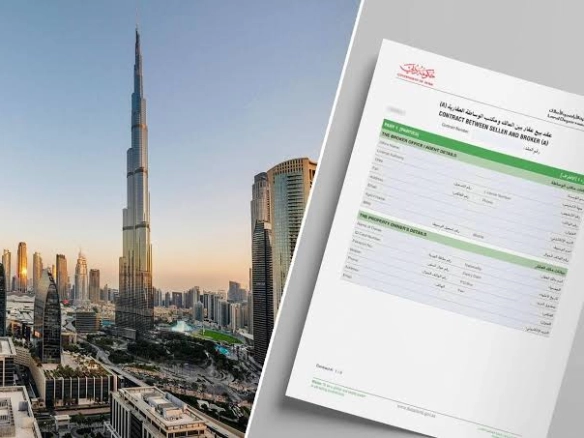

Buying real estate is a major financial commitment. This Dubai Property Buyer Checklist covers the essential steps—from setting your budget and selecting a property to completing due diligence, signing the contract and receiving your title deed.
The exact process depends on whether you are buying a completed property, an off-plan unit or a mortgaged home. Working through each section can help you avoid unexpected costs, contractual problems and delays.
1. Define Your Reason for Buying
Start by deciding what you want the property to achieve.
Are you buying:
- A primary residence?
- A holiday home?
- A long-term rental investment?
- A short-term rental property?
- An off-plan investment?
- A property for future resale?
- A home that may support a residence visa application?
Your objective will influence the best location, property type, payment method and holding period.
2. Establish Your Total Budget
Do not base your budget only on the advertised purchase price. Account for the full cost of acquiring, financing and maintaining the property.
Your budget may need to cover:
- Purchase price
- Dubai Land Department registration fee
- Real Estate Services Trustee fee
- Title deed and map fees
- Agency commission
- Mortgage arrangement and valuation fees
- Mortgage registration fee
- Developer no-objection certificate charges
- Conveyancing or legal fees
- Property inspection costs
- Annual service charges
- Insurance
- Renovation and furnishing
- Moving expenses
- Utility deposits
The total acquisition cost can be considerably higher than the property price, particularly when mortgage and agency expenses are included.
3. Confirm Your Financing Position
Cash buyers should confirm that their money is accessible in the required currency and can be transferred through accepted banking channels.
Mortgage buyers should obtain pre-approval before seriously negotiating a purchase. Pre-approval can help establish:
- Your likely borrowing limit
- The required deposit
- Your expected monthly repayment
- Available interest-rate options
- The proposed loan term
- Bank arrangement and valuation fees
Mortgage pre-approval is not the same as final approval. The bank will normally need to value and approve the selected property before releasing the loan.
4. Check Your Eligibility to Own the Property
Non-UAE nationals can own property in designated areas under the applicable Dubai ownership rules. However, not every property offers the same ownership rights.
Confirm:
- Whether the area permits foreign ownership
- Whether the property is freehold or leasehold
- The remaining term of any leasehold interest
- Whether ownership restrictions apply
- Whether the buyer will be an individual or company
- Whether corporate ownership requires additional documents
The ownership structure should be understood before you pay a reservation fee or sign a binding agreement.
5. Research the Location
A strong property in the wrong location may fail to meet your personal or investment goals.
Review:
- Access to major roads and public transport
- Schools and nurseries
- Healthcare facilities
- Shops and supermarkets
- Employment districts
- Current and planned construction
- Noise and traffic levels
- Community facilities
- Rental demand
- Vacancy levels
- Comparable sale prices
- Long-term development plans
Visit the area at different times of day whenever possible. Conditions during a quiet afternoon may be very different from weekday rush hour or the evening.
6. Compare Recent Transactions
Do not rely exclusively on listing prices. An asking price represents what the seller hopes to receive, not necessarily the property’s current market value.
Compare the property with recent transactions involving similar units. Consider:
- Building or community
- Property type
- Internal size
- Floor and view
- Layout
- Age and condition
- Renovations
- Parking allocation
- Vacant or tenanted status
- Payment plan
- Handover date
A professional valuation may be helpful where reliable comparable transactions are limited.
7. Verify the Real Estate Agency and Broker
Confirm that the agency is properly registered and that the individual broker holds an active professional card.
Your checklist should include:
- Agency name and office registration details
- Broker’s full name
- Broker registration number
- Active broker card
- Written commission terms
- Official agency communication channels
- Approved advertising permit
Dubai property advertisements should display a Madmoun QR code. Scanning the code can help confirm the advertisement’s authorised details and status.
Avoid sending money to an individual broker’s personal account.
8. Verify the Seller
For a resale property, make sure the person offering the property is legally authorised to sell it.
Check:
- Seller’s identity
- Name shown on the title deed
- Original or verifiable ownership records
- Validity of any power of attorney
- Whether there are multiple owners
- Whether every required owner has agreed to the sale
- Whether the property is mortgaged
- Whether any legal restrictions affect the transfer
The buyer’s name should also appear correctly and consistently across the passport, Emirates ID, mortgage documents and sale contract.
9. Verify the Property Details
Compare the title deed and official records with the property being presented.
Confirm:
- Building and project name
- Plot and unit number
- Property type
- Registered area
- Parking spaces
- Ownership interest
- Freehold or leasehold status
- Current mortgage status
- Seller’s registered ownership
- Any restrictions or annotations
- Whether the unit is completed or provisionally registered
Do not depend solely on screenshots or copies supplied through messaging apps. Important records should be verified through official channels.
10. Inspect the Property
A viewing is not the same as a technical inspection.
For completed properties, inspect:
- Air-conditioning
- Plumbing and water pressure
- Electrical systems
- Doors and windows
- Ceilings and walls
- Signs of leakage or mould
- Flooring and tiling
- Kitchen appliances
- Bathroom fittings
- Balcony condition
- Fire-safety equipment
- Building common areas
- Parking space
- Included fixtures and furniture
Consider commissioning an independent inspection, particularly for villas, older properties or recently handed-over units.
11. Check the Property’s Occupancy Status
A property may be vacant, owner-occupied or rented to a tenant. Each situation affects the purchase.
For a tenanted property, confirm:
- Copy of the tenancy agreement
- Ejari registration
- Current annual rent
- Payment schedule
- Security deposit
- Lease start and expiry dates
- Renewal history
- Notices issued to the tenant
- Outstanding rent
- Maintenance obligations
- Handover arrangements
- Transfer of the tenant’s security deposit
Do not assume that purchasing a tenanted property automatically makes it available for immediate personal use.
12. Review Service Charges
Owners of apartments and properties in jointly owned communities generally pay annual service charges.
Check:
- RERA-approved service charge rate
- Previous service charge statements
- Any outstanding balance
- Chiller or cooling charges
- Sinking-fund contributions
- Community fees
- Special assessments
- Expected future maintenance
- Payment frequency
Service charges affect the property’s ongoing affordability and its net rental return.
13. Calculate the Real Investment Return
If you are buying for investment, calculate net return rather than relying only on the advertised gross yield.
Deduct expected expenses such as:
- Service charges
- Property management
- Maintenance
- Insurance
- Leasing commission
- Vacancy periods
- Utility costs paid by the owner
- Furnishing replacement
- Mortgage interest
- Short-term rental operating expenses
Use realistic rent and occupancy assumptions. High projected returns based on ideal conditions may not reflect actual performance.
14. Review the Buyer-Broker Agreement
If you appoint a broker to represent you, review the buyer-broker agreement before signing.
It should clearly address:
- The broker’s responsibilities
- Property requirements
- Agreement duration
- Exclusivity
- Commission amount
- When commission becomes payable
- Cancellation provisions
- Any additional charges
Brokerage commission is contractual, so the agreed amount and payment trigger should be recorded in writing.
15. Negotiate More Than the Price
The purchase price is only one part of the transaction.
You may also negotiate:
- Deposit amount
- Completion deadline
- Furniture and appliances
- Repairs
- Vacant possession
- Outstanding service charges
- Developer NOC costs
- Brokerage commission
- Transfer-related expenses
- Consequences of delayed completion
- Mortgage-related timelines
Every agreed condition should be included in the written contract.
16. Review Contract F Carefully
Contract F is commonly used as the memorandum of understanding between the buyer and seller in a resale transaction.
Before signing, verify:
- Buyer and seller information
- Property information
- Agreed purchase price
- Deposit amount
- Completion date
- Financing status
- Included fixtures and furniture
- Vacant or tenanted status
- Commission
- Allocation of transfer costs
- NOC responsibilities
- Default provisions
- Refund conditions
- Additional agreed terms
Never sign a document containing blank sections or terms you do not understand.
17. Protect the Deposit
A deposit is commonly used to demonstrate the buyer’s commitment to a resale transaction. The contract should explain:
- The deposit amount
- Who will hold it
- When it can be deposited
- Whether it is refundable
- What happens if the buyer defaults
- What happens if the seller defaults
- What happens if mortgage approval is refused
- How disputes will be handled
Obtain a written receipt and retain copies of the cheque or payment evidence.
18. Complete Mortgage Due Diligence
Mortgage buyers should confirm the bank’s final requirements before committing to a transfer date.
Check:
- Final loan amount
- Property valuation
- Required down payment
- Interest or profit rate
- Fixed or variable period
- Monthly instalment
- Early settlement charge
- Life and property insurance
- Bank arrangement fees
- Mortgage registration charges
- Required manager’s cheques
- Loan disbursement timetable
Dubai mortgage registration generally carries a fee calculated at 0.25% of the registered mortgage value, in addition to applicable administrative charges.
19. Handle a Seller’s Existing Mortgage
Buying a mortgaged property involves additional steps. The seller will normally need to obtain a liability letter and arrange settlement or transfer of the existing loan.
Confirm:
- Outstanding mortgage amount
- Liability letter validity
- Bank settlement process
- Mortgage-release procedure
- Whether the buyer’s bank is involved
- Payment sequencing
- Transfer appointment requirements
- Responsibility for related charges
These transactions can take longer than purchases involving an unencumbered property.
20. Obtain the Developer’s NOC
For many completed properties in freehold developments, a developer-issued electronic no-objection certificate is required before transfer.
The developer may check whether:
- Service charges have been paid
- Community penalties are outstanding
- Alterations were approved
- Seller obligations have been completed
- The property has unresolved violations
Confirm the NOC’s cost, validity period and expected processing time.
21. Prepare the Transfer Funds
Before the transfer appointment, confirm:
- Final purchase balance
- Payee names
- Manager’s cheque requirements
- DLD registration fee
- Trustee fee
- Title deed and map charges
- Agency commission
- Mortgage-related payments
- Accepted payment methods
- Bank transfer limits
The official registration fee is generally 4% of the sale value in total, allocated under the official fee schedule as 2% for the seller and 2% for the purchaser. The contract may specify how the parties will bear these costs, and buyers commonly budget for the full 4%.
22. Prepare the Required Documents
Individual buyers should ordinarily prepare:
- Original Emirates ID, where applicable
- Valid passport
- Visa documentation, if requested
- Signed sale agreement
- Mortgage documents, if applicable
- Payment instruments
- Broker and agency documents
- Power of attorney, if applicable
For a completed property transfer, DLD lists Emirates IDs for the seller and buyer, or valid passports for non-resident foreigners, together with the required developer e-NOC in freehold areas.
Company purchases require additional corporate and ownership documents. Some foreign documents may require legal translation, notarisation or official attestation.
23. Complete the DLD Transfer
The parties or their legally authorised representatives complete the transfer through the applicable official registration channel.
Before approving the transaction, check:
- Final property details
- Buyer’s legal name
- Seller’s legal name
- Purchase price
- Ownership percentage
- Payment allocation
- Mortgage details
- Registration charges
After completion, retain the electronic title deed, property map, payment receipts and signed transaction documents.
24. Check the Title Deed Immediately
Confirm that the new title deed correctly shows:
- Your full legal name
- Property number
- Project or building
- Registered area
- Ownership percentage
- Property type
- Mortgage status, if applicable
Report any discrepancy promptly rather than waiting until a future sale or mortgage application.
Off-Plan Dubai Property Buyer Checklist
Off-plan purchases require additional due diligence because the property may still be under construction.
25. Verify the Developer and Project
Check:
- Developer’s licensing status
- Project registration
- Construction progress
- Estimated completion date
- Previous completed projects
- Escrow account details
- Master development
- Approved plans
- Payment schedule
- Cancellation and delay clauses
Dubai REST can provide project information such as completion percentage, images and escrow account details.
26. Pay Only Into the Approved Escrow Account
Payments for an off-plan purchase should go to the registered project escrow account using the payment instructions confirmed for that project.
Avoid making project instalments to:
- An individual salesperson
- A broker’s personal account
- An unrelated company
- An account that cannot be matched to the project
- An unverified overseas account
Keep every receipt and payment confirmation.
27. Review the Sale and Purchase Agreement
The off-plan sale and purchase agreement should be reviewed carefully before signing.
Pay particular attention to:
- Unit details
- Purchase price
- Payment plan
- Completion date
- Grace period
- Changes to size or layout
- Delay provisions
- Termination rights
- Refund conditions
- Assignment or resale restrictions
- Transfer fees
- Service charge estimates
- Handover requirements
- Defect-liability obligations
- Dispute-resolution provisions
Obtain independent professional advice if the contractual language or risk allocation is unclear.
28. Confirm Oqood Registration
The developer should register the off-plan sale in Dubai’s provisional property register. DLD requires the signed sale and purchase contract to be registered within 90 days of signing.
Ask for evidence of registration and confirm that the buyer, unit and purchase details are correct.
29. Prepare for Handover
Before accepting an off-plan property:
- Confirm the completion and handover notices
- Arrange a snagging inspection
- Record defects in writing
- Review final measurements
- Pay only properly due instalments
- Confirm service charge arrangements
- Arrange utilities and insurance
- Collect access cards and keys
- Retain the handover certificate
- Confirm the process for receiving the final title deed
Take dated photographs of defects and keep written records of the developer’s proposed repair schedule.
Final Dubai Property Buyer Checklist
Before completing your purchase, confirm that you have:
- Defined your buying objective
- Established the total budget
- Obtained mortgage pre-approval where needed
- Confirmed ownership eligibility
- Researched the location
- Compared recent transactions
- Verified the agency and broker
- Checked the advertisement permit
- Verified the seller
- Verified the title deed and property details
- Inspected the property
- Checked its tenancy status
- Reviewed service charges
- Calculated the net investment return
- Reviewed all brokerage agreements
- Negotiated the transaction terms
- Checked Contract F or the off-plan SPA
- Protected your deposit
- Confirmed mortgage arrangements
- Obtained the developer NOC where required
- Prepared transfer funds
- Prepared identification documents
- Completed official registration
- Checked the new title deed
- Saved every agreement, receipt and certificate
Frequently Asked Questions
How much should a Dubai property buyer budget for additional costs?
The amount depends on the property, financing and transaction structure. Buyers should account for registration, trustee, mortgage, agency, NOC, inspection and other administrative expenses in addition to the purchase price.
Can a non-resident buy property in Dubai?
Yes. Non-residents can buy eligible properties in areas where foreign ownership is permitted. A valid passport is generally required for the registration process.
Should I inspect a newly completed property?
Yes. New properties can still have construction, finishing or installation defects. A professional snagging inspection can identify issues before final acceptance.
Can I buy a property that already has a tenant?
Yes, but the existing tenancy must be reviewed carefully. Confirm the registered lease, rent, deposit, expiry date and any notices already issued.
Is mortgage pre-approval enough to guarantee financing?
No. Pre-approval is an initial indication. Final approval normally depends on the selected property, the bank’s valuation and completion of its legal and financial checks.
How do I check an off-plan project?
Verify the developer, project registration, construction status and escrow account through official DLD channels. The sale should also be registered in the provisional property register.
When do I officially become the owner?
For a completed property, ownership is established through registration with Dubai Land Department and the issuance of the title deed in the buyer’s name.
Final Thoughts
A thorough Dubai Property Buyer Checklist is one of the simplest ways to reduce risk. Verify the people, property, payments and paperwork before signing or transferring money, and keep a complete record of every stage.
HAMZ helps Dubai property buyers compare opportunities, complete due diligence and navigate the purchasing process with greater clarity and confidence.