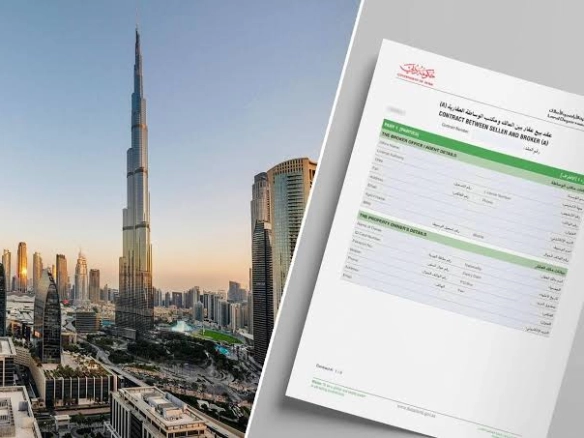

Buying a home or investment property involves more than finding an attractive listing and agreeing on a price. Before signing a contract or transferring money, buyers should confirm that the property, seller, broker and transaction documents are genuine.
The safest way to verify Dubai property details is to compare the information provided by the seller or agent with official Dubai Land Department records. Physical inspections, financial checks and a careful contract review should then complete the due-diligence process.
Here is what you should verify before committing to a Dubai property purchase.
1. Collect the Property’s Identifying Information
Begin by requesting enough information to identify the exact property.
For a completed unit, obtain:
- Title deed number
- Title deed year
- Property type
- Unit number
- Building or project name
- Plot number
- Registered area
- Owner’s full name
- Parking allocation
For an off-plan property, request:
- Project name
- Project number
- Developer’s name
- Unit number
- Building or phase
- Escrow account details
- Sale and purchase agreement
- Oqood or provisional registration information
Be cautious if the seller or agent refuses to provide basic property information before requesting a deposit.
2. Verify the Real Estate Advertisement
Dubai real estate advertisements should have an approved advertising permit and Madmoun QR code.
Scan the QR code to check information such as:
- Advertising company
- Permit details
- Property specifications
- Advertisement status
- Whether the property is still available
Compare the authorised information with the advertisement you originally saw. Differences in the price, size, unit number, availability or responsible agency should be investigated.
A QR code alone does not replace full property verification, but it is an important first check.
3. Verify the Real Estate Broker
The person presenting the property should be a licensed broker working through a registered real estate agency.
Check the broker’s:
- Full name
- Broker registration number
- Professional card
- Employing agency
- Official phone number
- Official email address
- Card expiry or status
The broker’s information should match the agency handling the transaction.
Avoid dealing with people who claim they are working “under another broker” but cannot provide their own professional credentials.
4. Verify the Real Estate Agency
Confirm that the agency is authorised to conduct real estate brokerage activities in Dubai.
Check:
- Registered company name
- Office registration number
- Trade licence
- Physical office address
- Official communication channels
- Brokerage agreement
- Commission terms
Payments relating to the transaction should follow documented and authorised procedures. Do not send deposits or purchase funds to a broker’s personal account.
5. Verify the Title Deed
For a completed property, the title deed is one of the most important records to check.
Dubai Land Department provides a title deed verification service that allows users to validate property information and, where applicable, compare owner and property details.
You may need information such as:
- Title deed number
- Title deed year
- Property type
- Owner’s name
The verification result should correspond with the property being offered.
Do not rely solely on a screenshot, photocopy or document sent through a messaging application. Independently verify the details through the official service.
6. Match the Title Deed to the Physical Property
A valid title deed must still be matched to the actual unit you intend to purchase.
Compare:
- Building name
- Unit number
- Floor
- Plot number
- Property type
- Registered area
- Parking space
- Ownership share
- Project name
Confirm that you viewed the same property recorded in the documents. This is particularly important when agents market several similar units in the same development.
7. Verify the Seller’s Identity
The seller should be the registered owner or a legally authorised representative.
Ask to verify:
- Seller’s passport or Emirates ID
- Name shown on the title deed
- Ownership percentage
- Number of registered owners
- Company documents, where relevant
- Power of attorney, if a representative is acting
- Authority of the company signatory
The spelling and order of the seller’s name should be consistent across the identification, ownership records and sale contract.
Where several owners are registered, confirm that every required owner has approved the sale.
8. Verify a Power of Attorney
If someone is selling on behalf of the owner, review the power of attorney carefully.
Confirm that it:
- Identifies the property owner
- Identifies the representative
- Covers the relevant property
- Authorises the sale
- Authorises the receipt or handling of funds where applicable
- Remains valid
- Has been completed through the required legal procedures
A general statement that someone is the owner’s friend, relative or business partner is not sufficient authority to sell a property.
Consider obtaining independent legal assistance when the transaction relies on a power of attorney.
9. Check the Property’s Official Status
Dubai Land Department provides a property status enquiry service using property information such as the area and land number.
The purpose is to compare the property being marketed with available official status information.
Depending on the transaction, you may also need to confirm:
- Whether the property is completed
- Whether it is registered
- Whether it is freehold or leasehold
- Whether ownership restrictions apply
- Whether the unit is subject to a mortgage
- Whether a provisional registration exists
- Whether another restriction may affect transfer
Not every issue can be determined from a single online check. Ask your broker, conveyancer, bank or registration trustee to clarify anything that could affect the transfer.
10. Confirm the Ownership Type
Determine exactly what legal interest is being sold.
The property may be:
- Freehold
- Leasehold
- Usufruct
- Musataha
- Jointly owned
- Held through a company
- Located in a designated foreign-ownership area
Non-UAE nationals should confirm that the location and ownership structure permit them to acquire the property.
For leasehold interests, check the original term, remaining period, renewal provisions and restrictions on transfer.
11. Check for an Existing Mortgage
Ask whether the property is subject to a registered mortgage or another financial obligation.
For a mortgaged property, review:
- Mortgage provider
- Outstanding loan amount
- Liability letter
- Settlement procedure
- Mortgage-release requirements
- Validity of bank documents
- Payment sequence
- Transfer timetable
Buying a mortgaged property usually involves additional coordination between the seller, buyer, banks and registration trustee.
Do not assume that the seller will clear the mortgage after receiving the purchase price. The settlement process should be documented and completed through the proper transfer procedure.
12. Verify the Registered Property Size
Compare the size in the advertisement with the area recorded in the official documents.
Clarify whether the advertised measurement includes:
- Internal space
- Balconies
- Terrace
- Common-area allocation
- Garden
- Roof area
- Storage
- Parking
A difference in size can affect the property’s value, price per square foot and future resale appeal.
Use the officially registered area when making important financial comparisons.
13. Verify the Parking Space
Parking arrangements can affect both convenience and value.
Confirm:
- Number of allocated spaces
- Parking numbers
- Location
- Whether the spaces appear in the property documents
- Whether they are exclusive or shared
- Availability of visitor parking
Visit the parking area and confirm that the allocated space exists and is accessible.
14. Check Whether the Property Is Tenanted
A tenanted property can be purchased, but the existing rental arrangement must be reviewed.
Request:
- Tenancy agreement
- Ejari registration
- Tenant’s name
- Annual rent
- Payment schedule
- Lease expiry date
- Security deposit
- Renewal history
- Copies of notices
- Details of outstanding rent
- Maintenance records
Confirm whether the tenant will remain after the sale or whether valid steps have been taken to recover possession.
A sale does not automatically cancel an existing tenancy.
15. Verify the Service Charges
Owners of properties in jointly owned developments normally contribute towards the maintenance and operation of common areas.
Use the official Service Charge Index to review the RERA-approved rate for the building or community.
Check:
- Approved rate
- Previous invoices
- Outstanding balance
- Sinking-fund contributions
- Chiller charges
- Community fees
- Special assessments
- Payment frequency
Ask for evidence that the seller has settled the required amounts before transfer.
Service charges should also be included when calculating the property’s net rental return.
16. Check for Outstanding Property Debts
Request confirmation of any unpaid amounts connected to the property.
These may include:
- Service charges
- Community penalties
- Cooling bills
- Utility bills
- Developer instalments
- Mortgage balances
- Maintenance charges
- Approved alteration penalties
The contract should state which party is responsible for each outstanding amount and when it must be paid.
17. Inspect the Property’s Physical Condition
Official documents confirm ownership, but they do not confirm the physical condition of the property.
Arrange a detailed inspection covering:
- Air-conditioning
- Electrical systems
- Plumbing
- Water pressure
- Walls and ceilings
- Leakage
- Mould
- Doors and windows
- Kitchen fittings
- Bathrooms
- Flooring
- Appliances
- Balcony
- Parking
- Common areas
For villas, also inspect the roof, boundary walls, drainage, water tanks, garden irrigation and swimming pool.
An independent professional inspection is especially valuable for older homes, villas and newly handed-over properties.
18. Verify Renovations and Alterations
Ask whether structural or visible changes were approved by the relevant authorities, developer or community manager.
Possible alterations include:
- Removed walls
- Combined rooms
- Enclosed balconies
- Villa extensions
- Added swimming pools
- Changed façades
- Modified plumbing
- Modified electrical systems
Unauthorised work can create safety concerns, delay the developer’s NOC or leave the buyer responsible for correcting the property.
19. Verify the Developer’s NOC Position
A developer-issued electronic no-objection certificate is normally required for the transfer of a completed property in a freehold development.
Before proceeding, check:
- Whether the seller can obtain the NOC
- Outstanding service charges
- Developer instalments
- Community penalties
- Unapproved modifications
- NOC fee
- Processing time
- Validity period
Do not schedule the final transfer without confirming that the required NOC will be available and valid.
20. Compare the Asking Price With Registered Transactions
A genuine property can still be overpriced.
Compare the asking price with recent transactions involving similar properties in the same building or community.
Consider differences in:
- Size
- Floor
- View
- Layout
- Condition
- Renovations
- Parking
- Furnishing
- Tenancy status
- Payment terms
Listing prices are not the same as completed transaction prices. Use actual transaction data where available.
How to Verify an Off-Plan Dubai Property
Off-plan verification focuses on the developer, project, escrow account, contract and provisional registration.
21. Verify the Developer
Confirm that the developer is licensed and approved to conduct real estate development activities in Dubai.
Investigate:
- Developer’s official name
- Licence status
- Previous projects
- Completion history
- Construction quality
- Handover record
- Customer service
- Current projects
Verifying the developer is important even when the project is marketed through a recognised agency.
22. Verify the Off-Plan Project
Use the official Project Status Enquiry or Dubai REST services to confirm the project.
Available project information may include:
- Project number
- Developer
- Location
- Registration status
- Construction progress
- Completion percentage
- Inspection information
- Management company
- Escrow account
- Developer contact details
Compare the official project details with the brochure, reservation form and sale and purchase agreement.
23. Verify the Project Escrow Account
Payments for an off-plan purchase should be made into the approved escrow account for the specific development.
Confirm:
- Project name
- Escrow bank
- Account name
- Account number
- Payment reference
- Developer’s official instructions
Do not pay project instalments to:
- A salesperson
- A broker’s personal account
- An unrelated company
- An unverified overseas account
- A different project’s account
Retain every receipt and bank confirmation.
24. Verify the Sale and Purchase Agreement
Review the agreement before signing or paying substantial amounts.
Check:
- Buyer’s legal name
- Developer’s legal name
- Project
- Unit number
- Layout
- Purchase price
- Payment plan
- Expected completion date
- Grace period
- Size variation provisions
- Changes to plans or facilities
- Delay provisions
- Cancellation rights
- Refund conditions
- Resale restrictions
- Assignment charges
- Handover requirements
- Defect-liability period
Marketing claims that are important to your decision should appear in the written agreement.
25. Verify the Oqood Registration
An off-plan sale should be recorded in Dubai’s provisional property register.
Dubai Land Department states that the signed sale and purchase agreement should be registered within 90 days of signing.
Obtain evidence of registration and confirm that it correctly records:
- Buyer
- Developer
- Project
- Unit
- Purchase price
If registration is delayed, ask the developer for a written explanation and consider obtaining professional advice.
Documents to Request Before Buying
For a completed property, request or verify:
- Title deed
- Seller’s identification
- Property map or plan
- Developer NOC arrangements
- Service charge statement
- Tenancy agreement and Ejari, where applicable
- Mortgage information
- Broker credentials
- Advertising permit
- Property inspection report
- Draft Contract F
For an off-plan property, request:
- Developer details
- Project registration information
- Escrow account details
- Reservation agreement
- Sale and purchase agreement
- Payment plan
- Oqood registration evidence
- Project status information
- Approved layout and specifications
Warning Signs to Watch For
Pause the purchase if you encounter:
- A title deed that cannot be verified
- Seller information that does not match the property record
- An agent without professional credentials
- An advertisement without an authorised permit
- Pressure to make an immediate payment
- Requests to pay a personal account
- Unverified escrow instructions
- Missing project registration
- Unexplained differences in property size
- Refusal to allow an inspection
- Undisclosed tenants
- Unpaid service charges
- Unauthorised renovations
- Blank or unclear contract sections
- Verbal promises excluded from the agreement
- Guaranteed investment returns that appear unrealistic
Do not allow fear of losing a “limited opportunity” to replace proper due diligence.
Final Dubai Property Verification Checklist
Before signing the sale agreement, confirm that you have:
- Collected the property’s identifying information
- Checked the Madmoun QR code
- Verified the broker
- Verified the agency
- Validated the title deed
- Matched the title deed to the physical unit
- Verified the seller’s identity
- Reviewed any power of attorney
- Checked the property’s official status
- Confirmed the ownership type
- Investigated any mortgage
- Confirmed the registered size
- Verified parking
- Reviewed the tenancy status
- Checked approved service charges
- Investigated outstanding debts
- Inspected the property
- Checked renovation approvals
- Confirmed the developer NOC process
- Compared recent transaction prices
- Verified the developer and project for an off-plan purchase
- Confirmed the project escrow account
- Reviewed the sale and purchase agreement
- Confirmed Oqood registration
Frequently Asked Questions
Can I verify a Dubai title deed online?
Yes. Dubai Land Department provides a title deed verification service. The check may require the title deed number, year, property type and owner’s name.
How do I know whether a Dubai real estate agent is licensed?
Check the broker’s details against the official list of licensed real estate brokers and confirm that the broker is associated with the agency handling the transaction.
How do I verify a property advertisement?
Scan the Madmoun QR code displayed on the advertisement and compare the authorised information with the listing.
How can I check an off-plan project?
Use the official Project Status Enquiry or Dubai REST services to review information such as the developer, completion status, inspections and escrow account.
Should I pay a deposit before verifying the title deed?
Buyers should verify the property, seller and key contract terms before committing substantial funds. Deposit conditions should be recorded clearly in the sale agreement.
Can a property be sold while it is mortgaged?
Yes, but the mortgage must be addressed through the proper settlement, release and transfer process. The parties and their banks should agree on the payment sequence before completion.
Does a valid title deed prove that the property is in good condition?
No. A title deed confirms registered ownership information, not the physical condition of the property. A separate inspection is necessary.
Final Thoughts
Learning how to verify Dubai property information before buying can prevent fraud, contractual disputes and costly surprises. A careful buyer verifies the advertisement, broker, seller, title deed, property condition and payment instructions rather than relying on verbal assurances.
HAMZ helps buyers verify Dubai property opportunities, review important transaction details and approach the purchasing process with greater clarity and confidence.