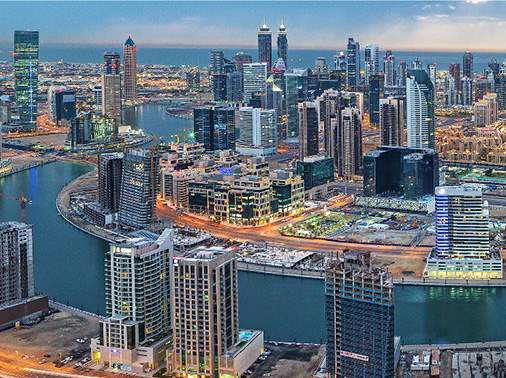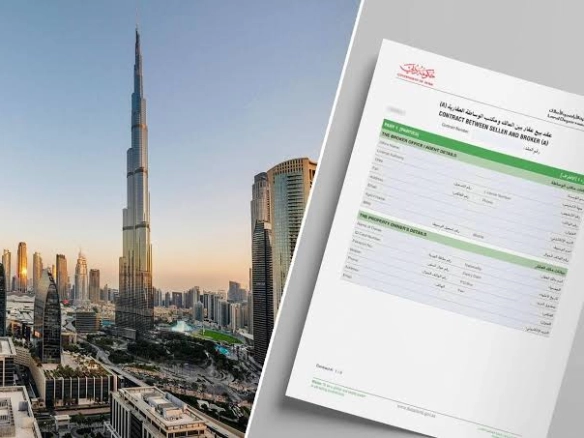

Yes. Foreign nationals can buy property in Dubai, whether they live in the UAE or overseas. Eligible foreign property buyers can acquire freehold ownership in areas specifically designated for international ownership.
A UAE residence visa is not normally required to purchase qualifying property. Non-resident buyers can complete transactions using a valid passport, subject to identity checks, payment procedures and Dubai Land Department requirements.
However, buying property does not automatically provide residency or permission to work in the UAE. Property ownership and immigration status are separate matters, although qualifying investments may support applications for certain investor-residency programmes.
This guide explains where foreigners can buy, what ownership means, how much the transaction costs and what international buyers should verify before purchasing.
Property, immigration, financing and tax rules can change. Buyers should confirm the requirements applying to their transaction with Dubai Land Department, the relevant immigration authority, their bank and qualified advisers.
Foreign Property Ownership at a Glance
| Question | Answer |
|---|---|
| Can foreigners buy Dubai property? | Yes, in designated ownership areas |
| Must the buyer live in the UAE? | No |
| Is a residence visa required? | Generally no |
| Can non-residents own freehold property? | Yes, in designated freehold areas |
| Can foreigners buy apartments? | Yes |
| Can foreigners buy villas? | Yes |
| Can foreigners buy off-plan property? | Yes, in eligible projects |
| Can foreign buyers obtain mortgages? | Yes, subject to lender requirements |
| Does buying property guarantee residency? | No |
| Can qualifying property support a Golden Residency application? | Potentially, subject to current requirements |
| Is a local partner required? | Not for direct individual ownership in designated freehold areas |
| Is registration with Dubai Land Department required? | Yes |
The UAE Government’s official portal confirms that both expatriate residents and non-resident foreigners may acquire property in Dubai’s designated freehold areas. UAE Government property guidance
What Does Freehold Ownership Mean?
Freehold ownership generally gives the buyer ownership of the property without a fixed expiry date.
Depending on the property, freehold ownership can include:
- The apartment or villa
- A defined interest in common areas
- The associated plot for a villa
- Parking or storage rights recorded with the property
- The right to sell
- The right to lease
- The right to inherit or transfer the property
- The right to mortgage the property, subject to lender approval
The owner receives a title deed or appropriate ownership certificate registered through Dubai Land Department.
Freehold does not mean the owner can ignore building or community regulations. Owners remain subject to:
- Service charges
- Community rules
- Planning regulations
- Building-management requirements
- Leasing regulations
- Restrictions on structural modifications
- Applicable laws and registration procedures
Freehold vs Leasehold Property
Foreign buyers should understand the difference between freehold and leasehold rights.
| Ownership type | Freehold | Leasehold |
|---|---|---|
| Duration | Indefinite ownership | Fixed contractual period |
| Land interest | May include the underlying plot or proportionate interest | Land usually remains with the freeholder |
| Resale | Owner can generally sell, subject to law and contract | Remaining lease term affects value |
| Inheritance | Can generally be transferred through inheritance procedures | Limited to the remaining term |
| Modifications | Subject to approvals | Often more restricted |
| Long-term value | Usually stronger | Can decline as the lease term shortens |
A long lease can still provide useful occupation or investment rights, but it should not be marketed or valued as freehold ownership.
Where Can Foreigners Buy Property in Dubai?
Foreigners can buy in areas designated for international ownership. Popular freehold locations include:
- Downtown Dubai
- Business Bay
- Dubai Marina
- Palm Jumeirah
- Jumeirah Beach Residence
- Jumeirah Lake Towers
- Dubai Hills Estate
- Dubai Creek Harbour
- Mohammed Bin Rashid City
- Jumeirah Village Circle
- Jumeirah Village Triangle
- Arabian Ranches
- Emirates Hills
- Jumeirah Golf Estates
- DAMAC Hills
- Dubai South
- Emaar South
- Dubai Harbour
- Bluewaters Island
- City Walk
- Dubai Islands
- Meydan
- Al Furjan
- Dubai Sports City
- Dubai Silicon Oasis
- International City
- Discovery Gardens
- Motor City
- Arjan
The precise ownership status must be checked for the specific plot, building and unit. A community containing freehold property may also include plots with different legal arrangements.
Dubai has continued expanding certain ownership opportunities. For example, Dubai Land Department announced in 2025 that eligible private properties in specified parts of Sheikh Zayed Road and Al Jaddaf could be converted to freehold ownership for all nationalities. Dubai Land Department
What Types of Property Can Foreigners Buy?
Eligible international buyers can purchase:
- Studios
- Apartments
- Penthouses
- Hotel apartments
- Serviced residences
- Townhouses
- Villas
- Mansions
- Residential plots
- Commercial offices
- Retail units
- Warehouses in eligible areas
- Off-plan property
Each property type has different ownership costs and investment considerations.
Hotel apartments and branded residences may also have operator agreements, rental-pool obligations or owner-use restrictions. These contracts require separate review.
Can a Foreigner Buy Property Without a UAE Residence Visa?
Yes. A non-resident foreign buyer can purchase qualifying Dubai property without already holding a UAE residence visa.
Dubai Land Department’s sale-registration requirements allow a valid passport to be used for non-resident foreign individuals. Dubai property sale registration
A non-resident buyer may nevertheless need to address practical matters such as:
- Opening or using an appropriate bank account
- International money transfers
- Anti-money-laundering checks
- Mortgage availability
- Signing documents
- Power of attorney
- Property management
- Utility activation
- Future visa applications
The buyer’s nationality, residence country and source of funds may affect bank compliance procedures.
Is a Local Sponsor or Partner Required?
A foreign individual does not generally require an Emirati sponsor or local partner to buy property directly in a designated freehold area.
The ownership can normally be registered in the buyer’s own name.
Company ownership is more complicated. Eligibility may depend on:
- The jurisdiction where the company is registered
- The company’s legal structure
- Dubai Land Department requirements
- Ultimate beneficial ownership
- Corporate documents
- Board resolutions
- Legalised or attested records
Buyers planning to use a company, trust, foundation or other structure should obtain specialist advice before paying a deposit.
Can Foreigners Buy Off-Plan Property?
Yes. Foreign buyers can purchase units in eligible registered off-plan projects.
Before buying, verify:
- Developer registration
- Project registration
- Escrow-account details
- Construction status
- Payment schedule
- Expected completion
- Sale and purchase agreement
- Default clauses
- Delay provisions
- Assignment restrictions
- Cancellation terms
- Specifications and floor plans
Dubai REST and Dubai Land Department’s real-estate data services provide project information, including project status and completion data. Dubai REST
Off-plan buyers should make payments only through the documented procedures specified for the registered project.
Can Foreigners Buy Resale Property?
Yes. International buyers can purchase completed properties from existing owners.
A standard resale transaction may involve:
- Selecting the property.
- Agreeing on the price and terms.
- Signing the appropriate sale agreement.
- Paying the agreed deposit.
- Completing technical and legal checks.
- Obtaining mortgage approval if required.
- Securing the developer’s no-objection certificate.
- Settling the seller’s mortgage where applicable.
- Completing the transfer through an authorised channel.
- Receiving the registered title document.
The exact process changes where either party has a mortgage, acts through a representative or uses a corporate structure.
Documents Foreign Buyers May Need
An individual foreign buyer may need:
- Valid passport
- Emirates ID, if resident
- UAE residence visa, if applicable
- Contact details
- Proof of residential address
- Evidence of source of funds
- Mortgage approval, if financed
- Signed sale agreement
- Power of attorney, if represented
- Additional bank compliance documents
Non-resident buyers should ensure that the spelling and sequence of their names are consistent across passports, bank records and transaction documents.
Source-of-Funds Checks
Dubai property transactions are subject to identity and financial-compliance checks.
A buyer may be asked to provide:
- Bank statements
- Employment income records
- Business ownership documents
- Property-sale proceeds
- Investment-account statements
- Inheritance documents
- Loan approval
- Proof of accumulated savings
- Information about the beneficial owner
Buyers should arrange documentation before transferring a reservation fee or deposit. Delays in proving the source of funds can affect transaction deadlines.
Can Foreigners Obtain a Dubai Mortgage?
Yes. UAE banks offer mortgages to eligible expatriate residents and non-resident foreign buyers.
Approval depends on factors including:
- Income
- Employment or business history
- Age
- Nationality and country of residence
- Credit profile
- Existing debt
- Property value
- Property type
- Developer or building
- Down payment
- Loan term
- Bank policy
Non-resident buyers usually face more conservative lending conditions and a smaller selection of lenders than UAE residents.
A mortgage pre-approval does not guarantee that the bank will value the selected property at the agreed price.
Mortgage Valuation Risk
If the buyer agrees to pay AED 2 million but the bank values the property at AED 1.8 million, the loan will normally be calculated using the bank’s accepted value and lending rules.
The buyer may need to provide additional cash to cover the difference.
To reduce this risk:
- Obtain pre-approval.
- Use recent registered transactions.
- Avoid inflated asking prices.
- Include appropriate financing provisions in the agreement.
- Allow sufficient time for valuation.
- Maintain an additional cash reserve.
How Much Does Buying Property Cost?
The purchase price is only part of the required budget.
A foreign buyer may need to pay:
- Dubai Land Department transfer fee
- Registration-trustee fee
- Real-estate agency commission
- Developer no-objection certificate fee
- Conveyancing or legal-review costs
- Mortgage registration
- Bank valuation
- Loan-processing fee
- Property inspection
- Service-charge adjustment
- Initial maintenance
- Furnishing
- Utility deposits
The applicable amounts vary by transaction. Buyers should obtain an itemised cost sheet rather than relying on a single percentage estimate.
The Dubai Land Department Transfer Fee
Dubai property transfers generally involve a Dubai Land Department fee calculated as a percentage of the property value, alongside administrative or trustee charges.
The parties may contractually agree how certain costs are allocated, although buyers commonly budget for the principal transfer-related expenses.
The official property-sale registration service should be checked for the current fee schedule and documentation. Dubai property sale registration
Are There Annual Property Taxes in Dubai?
Dubai does not generally impose the type of annual residential property tax charged in many international cities.
Owners still pay expenses such as:
- Building or community service charges
- Maintenance
- Insurance
- Utility-related costs
- Property-management fees
- Municipality-related charges through applicable arrangements
- Holiday-home permit and operating costs, if relevant
An owner’s country of residence may tax foreign rental income or capital gains. International buyers should obtain tax advice in the jurisdiction where they are tax resident.
Service Charges
Apartment and community owners normally contribute to shared operating and maintenance costs.
Charges may cover:
- Security
- Cleaning
- Lifts
- Swimming pools
- Gyms
- Landscaping
- Shared cooling
- Common-area electricity
- Building insurance
- Reserve funds
- Community infrastructure
Service charges can substantially affect net rental yield. Buyers should obtain:
- Current charge rate
- Previous years’ statements
- Outstanding balances
- Sinking-fund information
- Planned major works
- Hotel or operator charges
A low purchase price does not represent value if recurring charges are excessive.
Can Foreign Owners Rent Out Their Property?
Yes. Foreign owners can generally lease their eligible property, subject to applicable laws, registration and building rules.
Long-Term Rental
A conventional tenancy normally requires:
- Tenancy agreement
- Ejari registration
- Security deposit
- Agreed payment schedule
- Compliance with rental regulations
- Appropriate notice and renewal procedures
Short-Term Rental
Holiday-home use requires compliance with Dubai’s tourism and licensing framework. Owners should confirm:
- Permit requirements
- Building rules
- Guest-registration procedures
- Property classification
- Tourism-related charges
- Operator responsibilities
- Insurance
Foreign owners living overseas often appoint a licensed property manager.
Does Buying Dubai Property Provide Residency?
Property ownership does not automatically create residency. A foreign investor must separately apply and qualify under an available immigration category.
Possible property-related residency options may include:
- Investor residence based on qualifying property ownership
- Golden Residency for qualifying real-estate investment
- Other immigration routes unrelated to property
Requirements can include minimum property value, ownership documentation, insurance, medical checks and other conditions.
Property and the Golden Residency
Current official guidance identifies real-estate investors as a potential Golden Residency category where ownership of one or more properties meets the applicable value threshold, commonly AED 2 million, alongside the current documentary and eligibility requirements. Federal Authority for Identity, Citizenship, Customs and Port Security
The rules can differ according to:
- Property valuation
- Whether the property is completed
- Ownership share
- Mortgage status
- Amount paid
- Joint ownership
- Applicant’s immigration file
- Applicable emirate procedures
Buyers should obtain current written confirmation before purchasing a property primarily for residency purposes. A developer’s marketing statement is not an immigration approval.
Joint Ownership
Foreign buyers may purchase property jointly, subject to registration requirements.
Joint ownership may involve:
- Married couples
- Family members
- Unrelated co-investors
- Defined ownership percentages
Buyers should document:
- Ownership shares
- Purchase contributions
- Mortgage obligations
- Rental-income allocation
- Sale decisions
- Death or incapacity
- Dispute resolution
- Exit rights
Marriage certificates or other supporting documents may be requested in certain circumstances.
Inheritance and Estate Planning
Foreign ownership can be transferred through inheritance procedures, but international estate matters can become complicated.
Owners should consider:
- A UAE-recognised will
- Beneficiary details
- Home-country succession rules
- Guardianship
- Joint ownership
- Corporate structures
- Mortgage liabilities
- Probate procedures
Property ownership should be incorporated into a wider estate plan rather than handled in isolation.
Buying Through a Power of Attorney
A foreign buyer may sometimes appoint a representative through a valid power of attorney.
The document may need to:
- Use acceptable wording
- Identify the property or transaction powers
- Be notarised
- Be legalised or attested if signed abroad
- Be translated into Arabic by an approved translator
- Remain within its validity period
- Meet Dubai Land Department requirements
The buyer should use narrowly defined authority and independent legal advice.
Popular Areas for Foreign Investors
For Rental Yield
- Jumeirah Village Circle
- Business Bay
- Dubai Sports City
- Arjan
- Dubai Silicon Oasis
- International City
- Dubai South
- Jumeirah Lake Towers
For Waterfront Living
- Dubai Marina
- Palm Jumeirah
- JBR
- Dubai Harbour
- Dubai Creek Harbour
- Bluewaters Island
- Dubai Islands
For Family Villas
- Dubai Hills Estate
- Arabian Ranches
- Jumeirah Golf Estates
- DAMAC Hills
- Emaar South
- Town Square
- Al Furjan
For Ultra-Luxury Property
- Palm Jumeirah
- Emirates Hills
- Jumeirah Bay Island
- Dubai Hills Estate
- Downtown Dubai
- Bluewaters Island
- Dubai Harbour
The most famous area is not automatically the best investment. Entry price, service charges and tenant demand determine actual performance.
Common Risks for Foreign Buyers
Buying Outside an Eligible Ownership Area
Confirm that the specific property is available for the intended foreign ownership structure.
Paying Before Verification
Do not transfer significant funds before confirming the seller, developer, project and payment instructions.
Relying on Guaranteed Returns
Guaranteed-return promotions should be examined for duration, conditions, funding structure and what happens after the guarantee expires.
Ignoring Service Charges
High annual charges can reduce the return from even a strongly rented property.
Believing Residency Is Automatic
Property ownership and residency approval are separate processes.
Buying Based on Future Infrastructure
Planned malls, beaches, schools or Metro stations may be delayed or changed.
Overpaying for a Payment Plan
A flexible plan can hide an inflated total price.
Ignoring Currency Risk
Foreign investors may experience gains or losses when converting rental income or sale proceeds into their home currency.
Failing to Plan Property Management
Overseas owners need reliable arrangements for tenants, maintenance, payments and inspections.
Step-by-Step Buying Process
1. Define the Objective
Decide whether the property is for:
- Personal use
- Long-term rental
- Holiday-home income
- Capital appreciation
- Residency eligibility
- Family relocation
2. Set the Full Budget
Include the deposit, transfer costs, furnishing, service charges and maintenance.
3. Select a Freehold Area
Confirm that the property can be registered under the buyer’s intended ownership structure.
4. Arrange Financing
Obtain pre-approval before signing a binding purchase agreement.
5. Compare Transactions
Use recent registered sales rather than asking prices alone.
6. Verify the Property
Check the title, seller, developer, project, service charges and tenancy.
7. Sign the Agreement
Review the price, completion date, deposit, default terms and vacant-possession arrangements.
8. Complete Due Diligence
Conduct legal, financial and technical checks.
9. Secure the NOC
For applicable resale transactions, the developer confirms that transfer requirements have been satisfied.
10. Complete the Transfer
The parties complete the transaction through an authorised registration process.
11. Receive Ownership Documentation
The registered ownership document is issued after successful completion.
12. Arrange Management and Insurance
Prepare the property for occupation, long-term leasing or licensed holiday-home use.
Foreign-Buyer Due-Diligence Checklist
Before buying:
- Confirm the property’s foreign ownership status.
- Verify the title deed and seller.
- Check the broker’s credentials.
- Compare recent registered transactions.
- Confirm the exact internal and plot areas.
- Obtain service-charge records.
- Review existing tenancy documents.
- Commission a technical inspection.
- Verify approvals for modifications.
- Confirm project and escrow details for off-plan property.
- Review mortgage and valuation risk.
- Document the source of funds.
- Obtain an itemised transaction-cost sheet.
- Review residency rules independently.
- Consider home-country tax obligations.
- Prepare an estate and succession plan.
Frequently Asked Questions
Can a tourist buy property in Dubai?
A person does not generally need UAE residency to acquire eligible freehold property. The buyer must provide valid identification and satisfy transaction requirements.
Can foreigners buy land in Dubai?
Foreigners may purchase eligible plots in designated ownership areas. The exact land status and permitted development must be verified.
Can foreigners buy villas in Dubai?
Yes. International buyers can purchase villas in eligible freehold communities.
Can foreigners buy commercial property?
Yes, in qualifying areas and subject to the property’s designation and intended ownership structure.
Can a foreign buyer get a mortgage?
Yes. Both resident and non-resident foreigners may qualify, although lending conditions are bank-specific.
Does Dubai property ownership provide citizenship?
No. Buying property does not provide UAE citizenship.
Does every Dubai property qualify for a Golden Residency?
No. The investor, property value, ownership structure and documentation must satisfy the current immigration requirements.
Can foreign owners sell whenever they want?
Generally yes, subject to mortgages, tenancy, developer requirements, off-plan assignment restrictions and transaction procedures.
Can foreign buyers purchase jointly?
Yes, subject to registration and documentary requirements. Ownership percentages and responsibilities should be recorded clearly.
Is Dubai property income tax-free?
Dubai does not generally levy personal income tax in the same way as many foreign jurisdictions. The investor may still have tax obligations in their home or tax-residence country.
Final Verdict
Foreigners can legally buy apartments, villas, plots and commercial properties in Dubai’s designated ownership areas. They do not generally need a UAE residence visa or local individual partner to register qualifying property in their own names.
The key is to verify the exact legal status of the property rather than relying only on the community name or sales brochure. Buyers should also separate property ownership from residency eligibility, calculate the full acquisition cost and assess realistic net rental income.
Dubai provides a relatively accessible ownership framework for international buyers, but accessibility should not replace due diligence. A properly verified, correctly priced property can provide rental income, lifestyle value and long-term appreciation. A rushed purchase based on payment plans, visa promises or projected infrastructure can create avoidable risk.
Dubai gives international buyers access to a wide range of freehold apartments, villas and investment properties, but foreign ownership should begin with legal verification and evidence-based valuation. HAMZ compares title status, registered transactions, ownership costs, rental demand and residency-related considerations—helping overseas buyers invest with clarity rather than relying on sales claims. Explore independently assessed Dubai property opportunities with HAMZ.
Read Also: Short-Term vs Long-Term Property Rental in Dubai for Investors